Known as the “Mother Road” in countless novels, songs and films, America’s Route 66 ran parallel to the nation’s post‑war boom years and is now marking its 100th anniversary. Should you drive along it in 2026, you might not even realise celebrations are underway.
The advent of jet‑air travel and the birth of the Federal‑Aid Interstate Highway Program in 1956 triggered a sharp drop in traffic along the route, followed by decades of decline and neglect. Though long stripped of its former glamour, Route 66 remains a monument to its past, and to the freedom and opportunity it once embodied in a nation moving steadily westward.
Today, Route 66 is like a dust‑covered museum, meandering lazily across eight states from Chicago all the way to Santa Monica, California. Its stretches form an open‑air gallery of distinctively American sights, vividly capturing the country’s first automotive century.
While purists may aim to cover its full 2,448 miles (roughly 3,940 kilometres), I planned to explore only a segment over four days and three nights with fellow history buffs passionate about road‑tripping: David Brancaccio, former host and now reporter for public‑radio’s Marketplace, and John Krafcik, ex‑CEO of Hyundai Motor North America and self‑driving‑taxi startup Waymo.
This asphalt thoroughfare, which carried Dust‑Bowl farmers and hundreds of thousands of other migrants east‑to‑west toward California, has become a captivating time tunnel.
We set off from the route’s western terminus at the Santa Monica Pier, bound for Albuquerque. For this nearly 1,400‑kilometre east‑bound journey, we would use four cars, each representing a distinct moment in automotive history.
Our larger mission was clear: to assess the condition of this old highway, while comparing the technologies that have shaped society’s automobile‑driven mobility over more than a hundred years.
Day 1
Our first ride was Waymo’s self‑driving electric Jaguar I‑Pace. People call it the future — and we were ready to believe it.
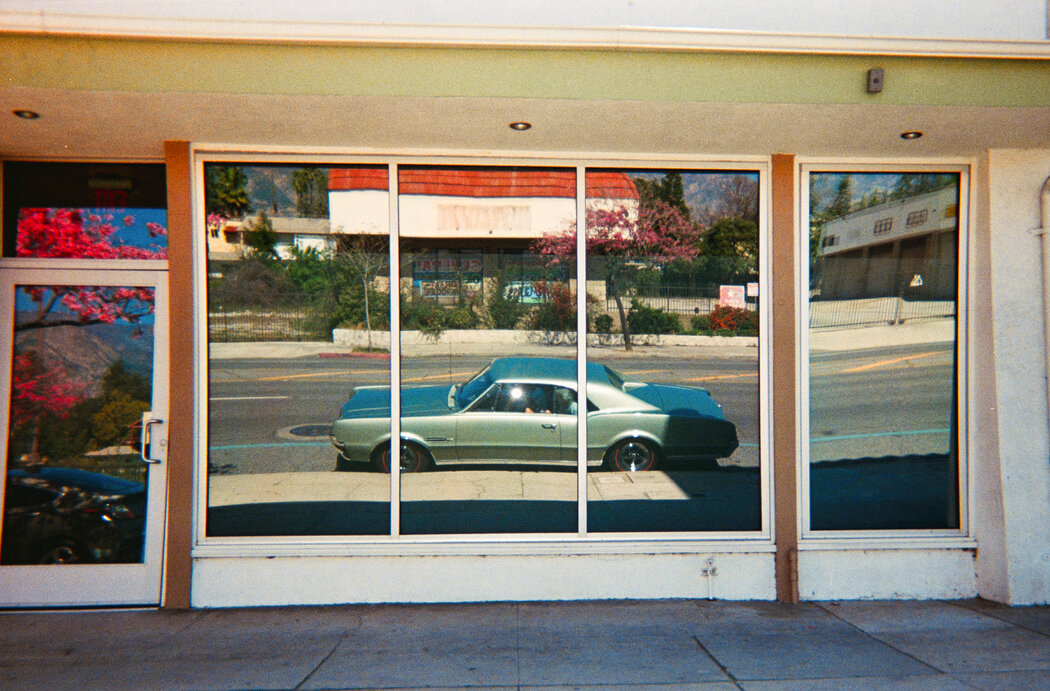
Our first stop was short: Krafcik’s home, where we would swap vehicles and head back into the past. We climbed into his mint‑green 1966 Oldsmobile 4‑4‑2, a two‑door muscle car with a rumbling V8 engine. This sleek, long‑roof coupé was classified as an intermediate‑size car back in its day.
Next, we would leap boldly toward the future behind the wheel of Brancaccio’s 2017 Chevrolet Volt hybrid. An early extended‑range electric vehicle (EREV), its “stationary” combustion engine charges the battery rather than directly turning the front wheels. Though the Volt has sadly been discontinued, its technology has lately enjoyed renewed attention.